

Bone Marrow Aspirate Concentrate (BMAC) treatment is a medical procedure that involves extracting bone marrow from a person’s own body, concentrating it, and then injecting it back into an area of the body that requires healing or tissue regeneration.
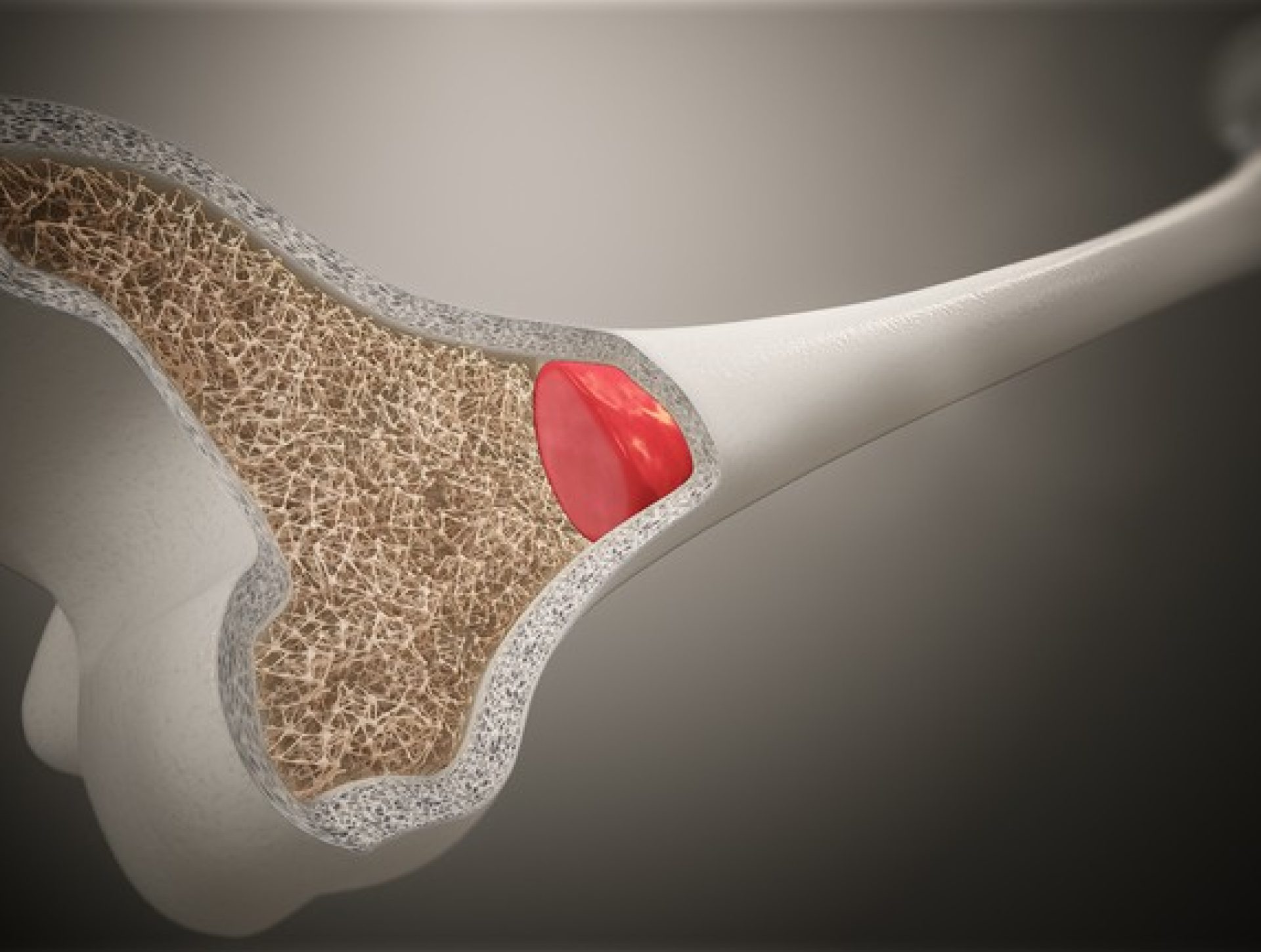
BMAC is derived from the bone marrow, the spongy tissue found inside certain bones, primarily in the hips, spine, and pelvis.
The procedure starts with a bone marrow aspiration, where a needle is inserted into the bone marrow cavity, and a small amount of marrow is withdrawn. This is typically done under local anaesthesia.
The extracted bone marrow contains various types of cells, including mesenchymal stem cells (MSCs), hematopoietic stem cells, growth factors, and other bioactive substances that aid tissue repair and regeneration.
The next step involves processing the extracted bone marrow to concentrate the desired components, particularly the mesenchymal stem cells. This concentration is achieved by using centrifugation or other specialized techniques.
The resulting bone marrow aspirate concentrate contains a higher number of stem cells compared to the original sample.
Once the concentrate is prepared, it is injected into the target area that requires treatment. The injections are often guided by imaging techniques such as ultrasound or fluoroscopy to ensure accurate placement of the cells.
The concentrated stem cells and growth factors in the BMAC can help promote tissue healing, reduce inflammation, and stimulate the regeneration of damaged tissues, such as cartilage, tendons, ligaments, or bone.
BMAC treatment is commonly used in orthopaedics and sports medicine to address various conditions, including osteoarthritis, joint injuries, tendonitis, ligament injuries, and non-healing fractures. It is observed as a minimally invasive procedure and is often performed, outpatient.
Here Are Reasons To Consider Getting Bone Marrow Aspirate Concentrate (BMAC) Treatment
Bone Marrow Aspirate Concentrate (BMAC) treatment may be indicated for various medical conditions and injuries. While research is ongoing and the evidence is still evolving, BMAC treatment has been explored in the following areas:
1. Osteoarthritis: BMAC injections have been investigated as a potential treatment for osteoarthritis, particularly in the knee, hip, and other joints. The concentrated stem cells and growth factors in BMAC may have regenerative effects on damaged cartilage and joint tissues.
2. Ligament and Tendon Injuries: BMAC treatment has been explored for conditions such as chronic tendonitis, partial tendon tears, and ligament injuries. The injection of concentrated stem cells and growth factors may aid tissue repair and promote healing.
3. Non-Healing Fractures: BMAC has been investigated as an adjunctive therapy for non-healing fractures or delayed union. The growth factors and stem cells in BMAC may support bone healing and improve the regenerative process.
4. Spinal Conditions: BMAC treatment has been explored for spinal conditions like degenerative disc disease and disc herniation. The injected stem cells and growth factors may promote tissue repair and slow the degenerative process.
5. Cartilage Defects: BMAC injections have been considered for focal cartilage defects, such as those in the knee joint. The concentrated stem cells and growth factors in BMAC may help regenerate damaged cartilage.
6. Other Musculoskeletal Conditions: BMAC treatment has been investigated in various other musculoskeletal conditions, including avascular necrosis (osteonecrosis), rotator cuff tears, meniscus tears, and osteochondral defects.
Here Are The Steps For Receiving Bone Marrow Aspirate Concentrate (BMAC) Treatment
The procedure for Bone Marrow Aspirate Concentrate treatment typically involves several steps. Here’s a general overview of the process:
1. Pre-Procedure Evaluation
Before undergoing BMAC treatment, you will consult with a healthcare professional specialising in regenerative medicine or orthopaedics. They will evaluate your medical history, perform a physical examination, and may order imaging tests to assess the target area for treatment.
2. Anaesthesia
On the day of the procedure, you will be positioned comfortably, and local anaesthesia will be administered to numb the area from which the bone marrow aspiration will be performed. In some cases, general anaesthesia or sedation may be used if necessary.
3. Bone Marrow Aspiration
Once the anaesthesia has taken effect, the healthcare professional will use a specialised needle to perform a bone marrow aspiration. The common site for aspiration is the posterior iliac crest, the back part of the hip bone. However, other areas, such as the sternum or the proximal tibia, may be used depending on the specific case. The skin and underlying tissue will be cleaned and sterilised before the needle is inserted into the bone marrow cavity. The healthcare professional will apply suction to withdraw a small amount of bone marrow into a syringe. Multiple aspirations may be performed to obtain an adequate sample.
4. Bone Marrow Processing
The extracted bone marrow is then processed to concentrate the desired components, particularly the mesenchymal stem cells. This can be achieved using multiple techniques, such as centrifugation or filtration. The goal is to separate the stem cells, growth factors, and other bioactive substances from the rest of the bone marrow.
5. Injection
Once the bone marrow concentrate is prepared, it is ready for injection into the target area. The healthcare professional will use imaging guidance, such as ultrasound or fluoroscopy, to ensure accurate placement of the injections. They will identify the specific location or tissue that requires treatment, and using a sterile technique, the concentrated BMAC is injected into the area.

Post-Procedure Care And Instructions
After the procedure, you will receive instructions on how to take care of yourself, which will include the following:
1. To ensure your comfort, it is advised to avoid strenuous activities for a few days and apply ice to the injection site.
2. To ease any pain or swelling, it is recommended to rest, elevate the affected area, and take medication.
3. Gentle range of motion exercises is also suggested.
4. Refraining from taking anti-inflammatory medications for at least two weeks is essential.
5. A follow-up appointment will be scheduled to monitor your progress.
Conclusion
Bone Marrow Aspirate Concentrate treatment represents a promising avenue in regenerative medicine, offering the potential to harness the body’s innate healing abilities to promote tissue repair and regeneration.
With its applications in osteoarthritis, ligament injuries, fractures, spinal conditions, and cartilage defects, BMAC treatment offers new hope for patients seeking alternatives to conventional treatments.
As research and technology continue to advance, we expect BMAC treatment to play an increasingly significant role in shaping the future of medicine, providing patients with innovative and effective solutions for a wide range of musculoskeletal conditions.
Looking for a safe and effective treatment for your chronic orthopaedic conditions? BMAC may be the right option for you. Don’t let chronic pain hold you back. Contact Renew Medical Centre today to learn more about BMAC treatment.
